Community crime reporting is changing the way American neighborhoods respond to safety concerns, and platforms like Crime Stop at crimemapus.com sit at the center of that shift. Instead of waiting for quarterly police summaries, residents now share incidents in real time, giving everyone a clearer picture of what is happening on their own block.
From Passive Observers to Active Participants
For decades, most people learned about local crime only after it made the news. Community reporting flips that model. When a neighbor logs a broken car window or a suspicious knock at the door, that information becomes instantly useful to the people who live nearby.
This participation builds a shared sense of ownership. A neighborhood that reports together tends to look out for one another more consistently, closing the gaps that isolated households often miss.
Turning Individual Reports Into Patterns
A single report is a data point, but hundreds of reports reveal patterns. Platforms aggregate submissions to show where and when incidents cluster, helping residents understand whether a problem is a one-time event or a recurring concern.
What Makes a Reporting Platform Work
Effective platforms share a few common traits that keep residents engaged and information trustworthy.
- Simple submission forms that take less than a minute to complete
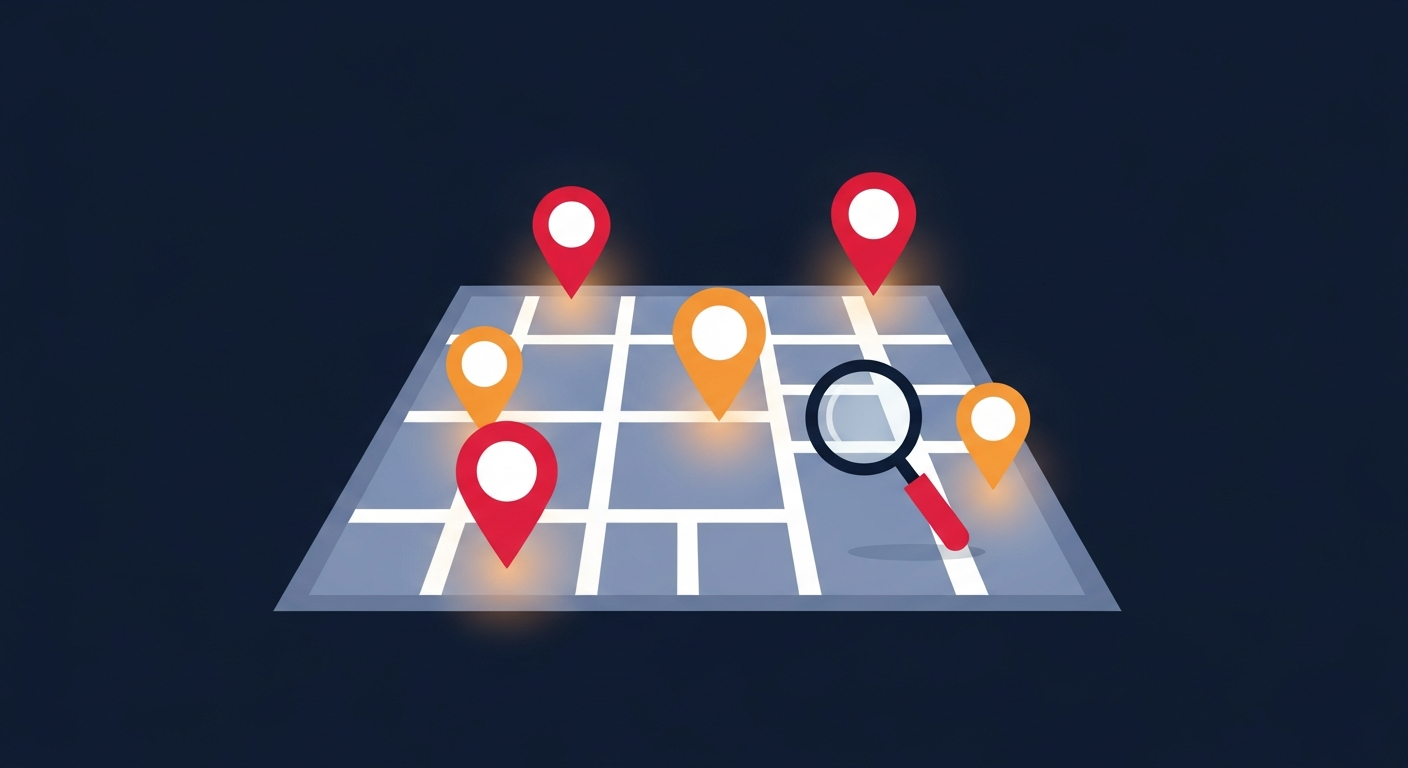
- Map-based views so incidents are tied to real locations
- Optional anonymity to protect people who fear retaliation
- Timely alerts when something happens close to home
- Clear categories that make trends easy to read
Building Trust With Local Agencies
The best outcomes happen when residents and law enforcement use the same information. When community data lines up with official records, agencies can direct patrols more efficiently and residents can hold conversations grounded in facts rather than rumors.
Ready to see how neighbors are already working together? Explore your neighborhood crime map and consider starting a neighborhood watch to put shared reporting into daily practice.
Stay Informed. Stay Safe.
Crime Stop gives you real-time crime reports, interactive maps, and safety alerts for over 100 US cities. Join your community today.
Explore the Crime Map