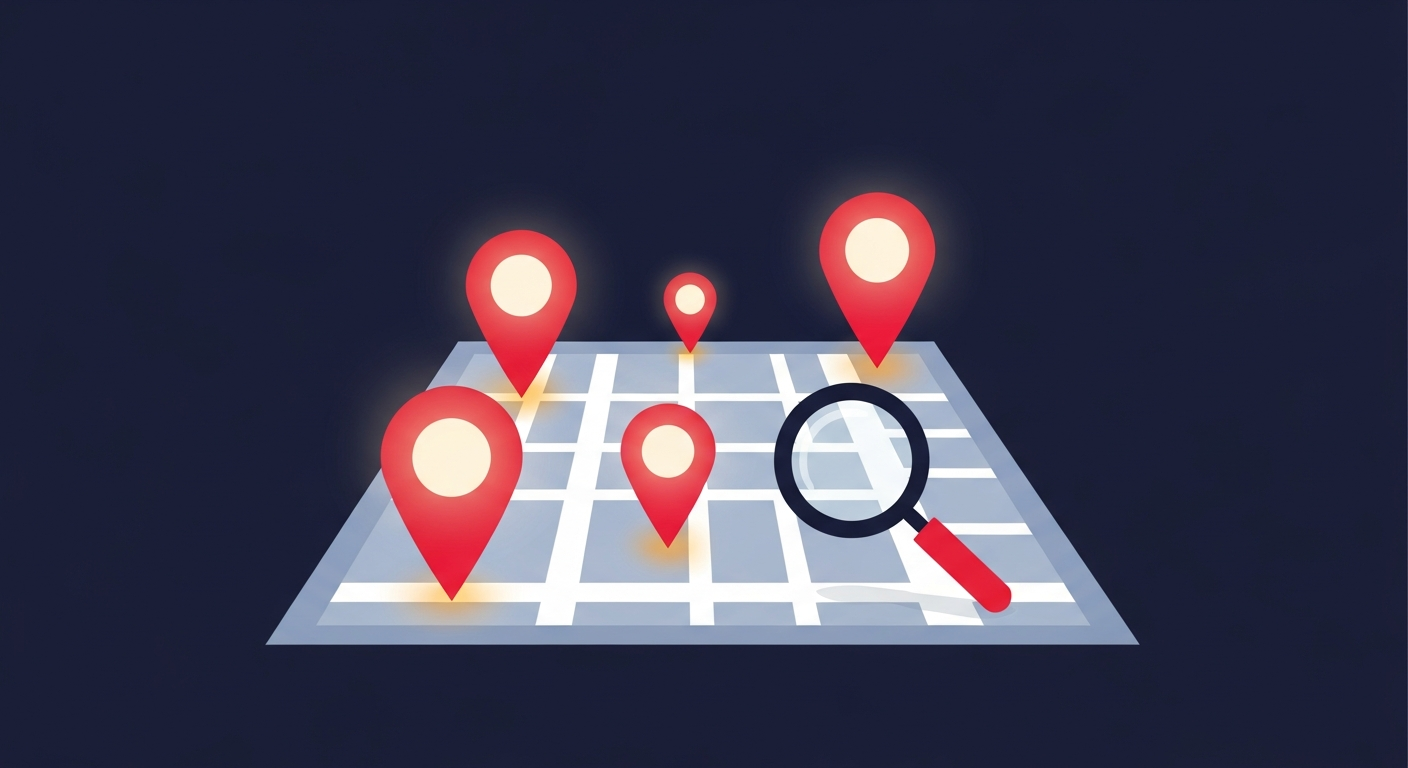
Crime hotspot analysis is one of the most practical tools available for understanding where safety problems concentrate, and platforms like Crime Stop at crimemapus.com make it accessible to everyday residents. By studying where incidents repeat, communities can move from reacting to crime toward preventing it.
What a Hotspot Actually Is
A hotspot is a location where incidents happen far more often than in surrounding areas. It might be a single intersection, a parking structure, a transit stop, or a stretch of storefronts. The key is repetition over time, not a single unfortunate event.
Recognizing a true hotspot requires looking at data across weeks or months so temporary spikes are not mistaken for lasting patterns.
How Analysts Find Them
Modern mapping tools plot reported incidents and highlight clusters where density is unusually high. Layering in time of day and day of week often sharpens the picture, revealing that a location may only be risky during specific hours.
Turning Insight Into Action
Once a hotspot is identified, the response can be tailored to its cause.
- Improving lighting in dim areas that attract theft
- Adding cameras or clear sightlines to deter offenders
- Coordinating patrols during peak-risk hours
- Trimming overgrown landscaping that provides cover
- Encouraging foot traffic to keep spaces active
Keeping Analysis Honest
Good hotspot work avoids over-labeling a neighborhood as dangerous based on limited data. Context matters, and the goal is targeted improvement rather than stigma. Regularly refreshing the data keeps conclusions accurate as conditions change.
To dig deeper into the concepts behind these clusters, review the fundamentals of understanding crime hotspots and compare local numbers using local crime statistics for your area.
Stay Informed. Stay Safe.
Crime Stop gives you real-time crime reports, interactive maps, and safety alerts for over 100 US cities. Join your community today.
Explore the Crime Map